The History of the United Arab Emirates (UAE) is one that has seen dramatic changes in the last few decades. From a small group of coastal settlements in the early 20th century to the modern, thriving country it is today, the UAE has a long and fascinating story to tell.
This blog article, will provide an overview of the key events in the history of the UAE, from its formation to the present day.
Pre-oil era
The United Arab Emirates (UAE) has a rich and diverse history, which dates back to the Stone Age. In the pre-oil era, the area now known as the UAE was mainly inhabited by nomadic Bedouin tribes and farming communities. These inhabitants were well-versed in seafaring and trading activities, having engaged in long-distance trade with Persia and India.
The coastal area of the UAE was also an important stop on the maritime Silk Road, as traders from China, India and other parts of Asia used it as a hub for exchanging goods. During this period, the people of the UAE were mainly engaged in fishing, pearl diving and trading. The discovery of oil in the 1950s marked a new era in the history of the UAE, one that would lead to tremendous economic growth and development.
The discovery of oil
In 1958, the discovery of oil in the United Arab Emirates initiated a profound connection between the country and its resource. Subsequently, in 1962, production of the commodity began to take place on a commercial scale. The large amounts of oil and gas found beneath the soil transformed the region’s economy, making it one of the fastest growing countries in the world.
Oil production quickly increased, and the UAE began exporting oil by 1966. This influx of income allowed for the construction of many infrastructure projects, and provided a solid foundation for further economic growth. The UAE continued to expand its oil production and exports over the years, and today, it is the seventh largest producer and exporter of oil and natural gas in the world.
The discovery of oil was an important milestone in the history of the UAE, and it has had a huge impact on both the economy and society of the country. The region’s newfound wealth allowed it to develop rapidly into a prosperous and modern nation.
The formation of the UAE
The United Arab Emirates (UAE) is a country located in the Middle East. It was formed in 1971 when the British Empire withdrew its forces from the region, granting independence to seven states that were formerly under its rule. The seven states, known as Trucial States, were Abu Dhabi, Ajman, Dubai, Fujairah, Ras Al Khaimah, Sharjah and Umm Al Quwain.
In 1971, the leaders of these seven states gathered in Abu Dhabi to sign the Union Act, thus forming the UAE. Sheikh Zayed bin Sultan Al Nahyan, the Ruler of Abu Dhabi at the time, was declared President of the country and he worked hard to ensure that all seven emirates were united under a single government.
The Constitution of the UAE was signed in 1971 and outlined the basic structure of the government, including the responsibilities and powers of the President and Federal National Council. The Constitution also outlined the rights of citizens, including freedom of speech and religion.
Since then, the UAE has experienced significant economic growth, thanks in part to its vast oil reserves.
The country has also developed its infrastructure and become a regional hub for international business, finance, and tourism. In 2021, the UAE achieved yet another milestone: It became the first Arab nation to land an unmanned spacecraft on Mars. This impressive achievement is a testament to the country’s ambitions and accomplishments.
Modern day
The modern day United Arab Emirates is a bustling nation full of diverse cultures, dynamic economies and ambitious infrastructure projects. It has become one of the most sought after places to live and work in the world, with its booming economy driven by high-value industries such as oil and gas, banking, manufacturing, and tourism.
In recent years, the UAE has rapidly developed into a global economic powerhouse. The country’s GDP per capita is among the highest in the world. It boasts one of the largest foreign investment rates in the Middle East region. This strong economic growth has enabled the UAE to become an attractive destination for expatriates from all over the world. While at the same time enabling its citizens to enjoy a high standard of living.
The government has invested heavily in developing state-of-the-art infrastructure and promoting innovative business practices. This includes free trade zones, world-class transport networks. Such as, ports, airports and commercial centres, as well as advanced telecommunications networks and digital technologies. As a result, the UAE is now a hub for global business, finance, innovation and tourism.
In addition to these impressive developments, the UAE also offers a vibrant cultural scene. With a rich tapestry of cultural influences from around the world, the country is home to numerous art galleries. Also, museums, concert halls and performance venues. Additionally, there are plenty of restaurants, bars and clubs to explore in each of the seven emirates.
The UAE continues to be an example of progress and prosperity in the Middle East. It is a destination for people from all walks of life. Whether you are looking for an exciting place to live or an opportunity to build a successful career… the UAE has something for everyone.
Religion
The United Arab Emirates is home to a diverse religious landscape. The majority of people in the UAE are Muslim, with 76% of the population practicing Islam. Other religions are also represented, including Christianity, Hinduism, Buddhism and Sikhism.
Islam is the official religion of the UAE and is the foundation of its laws and values. As part of its mandate, all residents of the United Arab Emirates must adhere to Islamic principles, including participating in Ramadan and other religious celebrations. While non-Muslim places of worship are tolerated, the government enforces a prohibition on any evangelisation that is not related to Islam.
There is a great deal of religious tolerance in the UAE, as demonstrated by the fact that people of all religions can live and work peacefully side by side. This has been possible due to the strong emphasis placed on coexistence and understanding by the government.
The UAE also has a number of Islamic institutions that promote knowledge and understanding of Islamic culture. These include universities, schools, mosques, research centres and libraries.
Architecture
The United Arab Emirates has a rich and diverse architectural landscape. From ancient forts, to modern sky scrapers, the UAE has something to offer for everyone. The oldest surviving architecture in the UAE dates back to 3000 B.C., with stone tombs found in the area. Later on, during the Islamic period, much of the country was influenced by Persian architecture. With beautiful mosques and other religious structures being constructed.
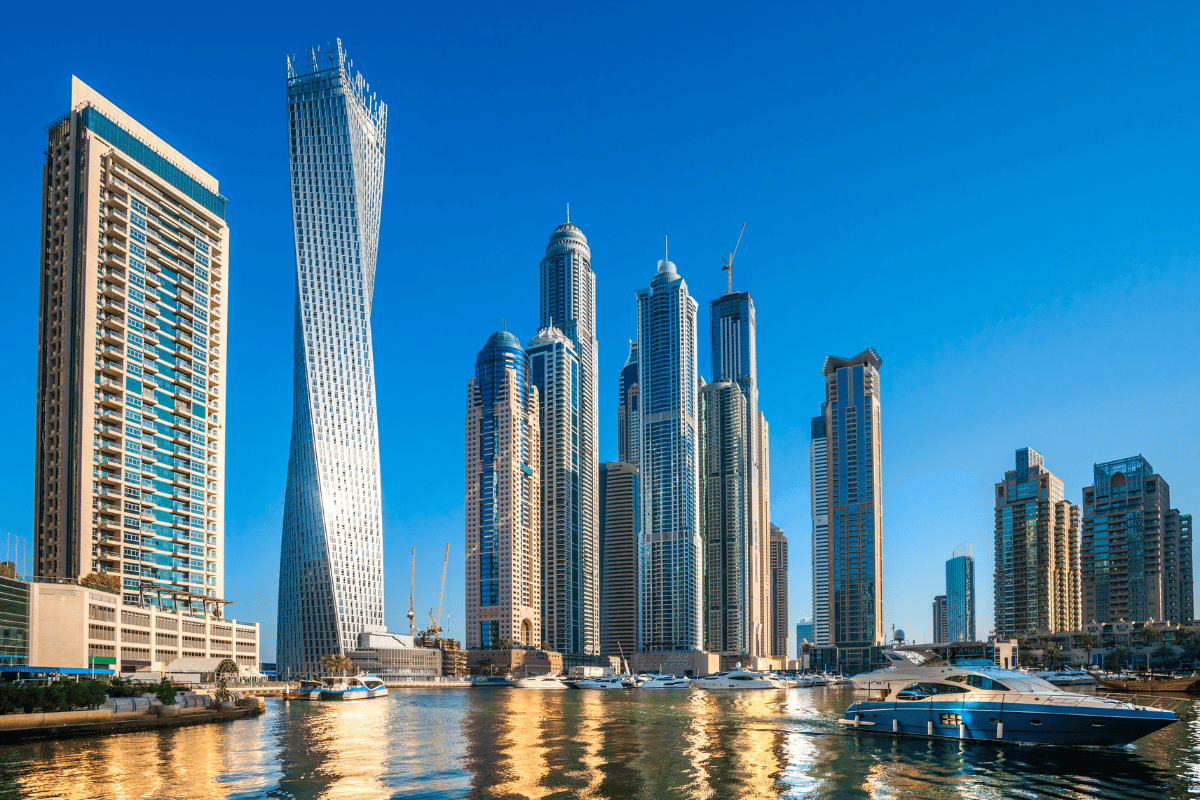
In more recent times, the country has seen an influx of Western influences. Leading to the construction of modern buildings like skyscrapers, shopping malls and luxury hotels. The tallest building in the world, the Burj Khalifa in Dubai, is one example of this, standing 830 meters tall.
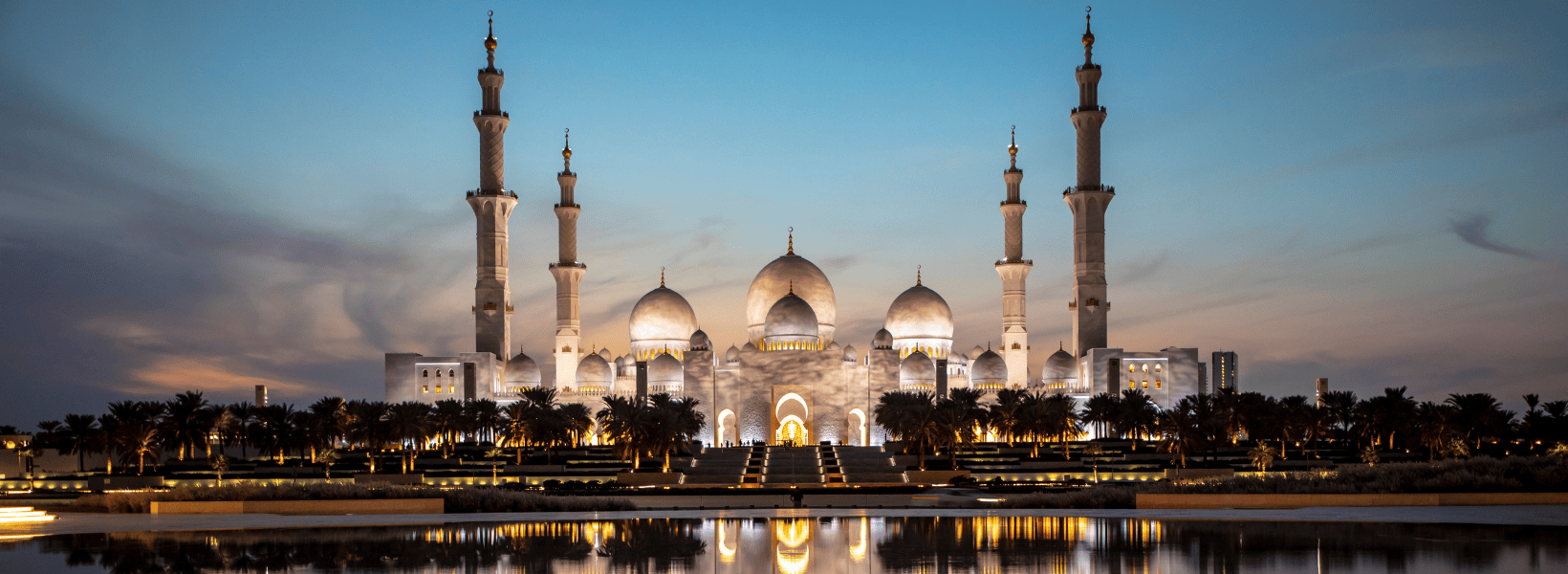
Another notable example is the Sheikh Zayed Grand Mosque in Abu Dhabi. It is widely regarded as one of the most impressive pieces of architecture in the world. The mosque is a mix of Arabesque, Mughal and Moorish design, and contains 82 domes of various sizes and colours. The mosque’s main prayer hall contains a stunningly intricate marble floor with intricate designs that are repeated throughout the structure.
The UAE is also home to a number of museums and galleries, which contain unique pieces from around the world. These include the Sharjah Art Museum, Louvre Abu Dhabi and Dubai Museum of the Future. These are just some examples of the many architectural wonders in the UAE.
About the UAE
The United Arab Emirates is a vibrant and dynamic country with a rich history. From its days before the discovery of oil to its modern-day status as an international hub. The UAE has seen tremendous growth and development in a short period of time. With its diverse population, culture, and religion, the UAE is a place of great potential and opportunity.
From towering skyscrapers to traditional architecture, there is something for everyone in this exciting country. The United Arab Emirates is sure to continue to evolve and expand in the years to come. This makes it an excellent place to visit or call home.