
When you’re out of work or looking to make a fresh start, how do you find an expat job in the country you want?
It’s easier than ever before, but that doesn’t mean it’s easy by default. If you want to avoid paying relocation costs and getting stuck in legal red tape, you have to plan ahead and make some smart decisions before you decide where you want to live and work—and how to go about making the move happen.
Read on to find out how to land your dream expat job!
The pros of working abroad
There are many things that are great about leaving home and working abroad. Below we have outlined a few:
- Traveling, living and working in a foreign country is an unparalleled experience and will give you the skillset needed for your future career
- You’ll have the chance to learn about new cultures, languages, lifestyles and opportunities
- Meeting people from other countries is a great way to challenge yourself intellectually
- You’ll often find that your salary will be much higher in an international job than it would be back home
- You’ll have the opportunity to travel while on business trips or as a vacation time
- You may have already learnt some of the language – however, this will give you a chance to learn the language in more depth
Having an agent
The first step is to find an agent. You will likely need one even if you don’t think you do. Agents help with everything from providing insights on what companies are hiring and how much they pay, to helping you with your resume, writing cover letters, and preparing for job interviews. They can also be a valuable source of information on the latest trends in the industry.
An added benefit of working with an agent is that he or she will often be able to negotiate a better deal for you than you could on your own: higher salary, faster promotions, more vacation time — the sky’s the limit!
Working with recruiters
Recruiters are a good starting point for finding new opportunities. You can find recruiters by searching online or through word of mouth.
Once you get in touch with a recruiter, they will want to know what you’re looking for (location, industry, position, etc) and may ask if there is anything that would make the job more appealing.
They will also ask if you have any requirements (e.g. visas) that they need to know about before pursuing a lead on your behalf.
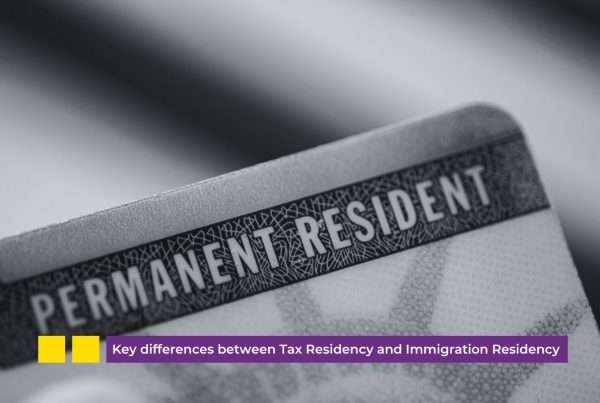
Handling visas and residency permits
One challenge is visas and residency permits. There are a few ways you might be able to handle this, depending on your situation:
- If you’re a citizen of a country that has a bilateral agreement with the country in question, you may be eligible for an easy visa process
- Some countries will allow you to apply for residency even if you don’t have any connection at all
- If your spouse is from the country in question, they may be able to sponsor you for a visa.
However, this can all depend on what country you’re going to.
Applications tools
Using job search tools can be a great way to make connections. As well as this, it can be useful to do this before you go so you have a starting point when you get there.
Some job search tools we would suggest are:
- LinkedIn: The world’s largest professional network can be a great place to start your search. You can search for jobs, find out about companies, and stay in touch with recruiters
- Facebook Groups: There are many groups on Facebook that help people find information about work abroad opportunities in various industries. One example is the Internationals Moving Abroad group on Facebook which has over 30,000 members and posts relevant job openings and other information related to working abroad
- Indeed: Many people use indeed which is purely a job search website and is used quite commonly worldwide
Finding the right company
Of course, the first step is finding the right company. Do your research, reach out to people who work there, and make sure that the company you’re interested in aligns with your values. When you finally find a good fit, it’s time to put together a killer résumé and cover letter.
If you’re applying for an English teaching job abroad, for example, make sure that your CV includes past experience as well as extensive knowledge of grammar and language skills. And don’t forget about writing a dynamite cover letter – telling your potential employer why they should hire you should be one of the easiest tasks on this list!
Finding a specialist
If you need legal advice or assistance, be sure to contact the experts at RHJ Law. We’re able to guide you through what you need to know before moving abroad.
Our legal team at RHJ Law assists foreign nationals in moving to Malta, Portugal, the United Arab Emirates and also to the USA. Our English speaking team of lawyers, accountants and other experts, specialise in helping entrepreneurs and families to set up, manage and grow their life in another country.
Working with our trusted partners; we can advise you on where to settle and how to go about purchasing a property, obtaining a visa and more.
We look forward to hearing from you soon!