
We’ve all heard of expatriates and the challenges they face moving overseas; but what about those with children? If you are moving overseas with your family; whether due to new employment or returning to your home country; there are a lot of challenges you’ll have to overcome to ensure your move goes smoothly and your kids are able to adjust effectively to their new surroundings.
The first thing to do when moving overseas with your children is to consult with a lawyer that specialises in this type of relocation; such as an expatriate law specialist, such as the team at RHJ Law. We can help you navigate the many legal issues you will face; and will look into any special immigration laws within your destination country.
You should also consider speaking with an accountant, who can help you plan how much income tax you will need to pay in your new home country; if any at all.
Fortunately, RHJ Law are available to help you through the process and ensure that both you and your children will have a successful relocation experience.
Health Insurance
Whether or not you and your family will be covered by your health insurance plan when you move abroad is something that should be discussed at length before you relocate.
Typically, it’s easier to find coverage where your home country has a free trade agreement. However, if you’re moving outside of a free trade zone, international private medical insurance may become mandatory for both you and your family members.
Make sure to review these issues before relocating; otherwise, there could be serious consequences for your family.
When you’re trying to decide what sort of health insurance to purchase, it can be helpful to consider other expatriates who have made similar moves. A good first step is to contact a team of specialists; such as ourselves, who have experience into your requirements and can guide you on what is best suited to the needs of yourself and your family.
In addition, we recommend that you read up on reviews from other expats about specific health care companies before making a final decision.
Financial and Legal Responsibilities
If you are relocating to a foreign country, it is your responsibility to make sure that you familiarise yourself with any rules or regulations in regards to moving cash overseas. Depending on where you’re going, there may be limits on how much money you can take out of your bank account and/or how much foreign currency you can have in your possession.
Bank Accounts
Currency fluctuations and transaction fees could mean any money you spend – or earn – can have additional charges. It is important to open an international bank account, to aid you in the movement of your finances.
Some countries will also only allow you to relocate if you have a local bank account. It does also aid you in day to day banking.
If you are going to have ongoing transactions in your home country, it is ideal to keep that bank account open. You must also consider if one day you will return to your home country; you would need to open a bank account again; so it may be just as wise to keep it.
Tax Requirements
Firstly, you must notify your home countries tax authorities you are planning to leave; if you don’t, you could face paying additional tax charges. As an expat – you would be exempt from paying these.
Wherever you move too, you will be required to pay tax. However, the amount you have to pay will depend on certain factors including:
- How much interest you receive from savings in your home country
- How many properties you own (and rent out)
- If you have employment or self-employment income
- Whether you’re claiming a pension
- Whether or not you pay Capital Gains Tax or Royalties
As we mentioned earlier in the article, you should speak with an accountant, who can help you plan your tax requirements.
Residency
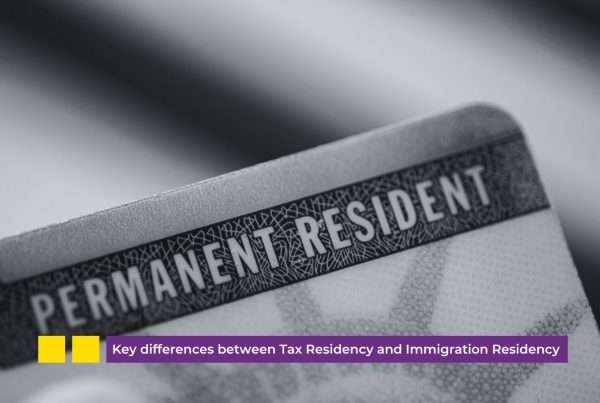
Each country has an individual set of rules when it comes to residency responsibilities. Depending on how long you would like your family to move abroad for, how many children are in school, if both adults work and other factors can determine the residency status required.
The D7 Visa – otherwise known as the Passive Income Visa – is the ideal option for families. Requirements and application is straight-forward; not only are you able to apply for the visa with your partner on the application, your dependents can also be listed.
With a D7 Visa, you become a tax resident in Portugal for example; which enables you to take advantage of the Non-Habitual Residency (NHR) which in most cases will mean lower tax payments.
Before moving overseas, it is imperative you speak to an expert in order to avoid possible legal ramifications.
Schooling
The cost of raising children is significant, but moving overseas can increase your costs if you don’t plan ahead. Finding a suitable school for your children will likely be one of your biggest priorities.
It may also require you to do some research on education systems and speak to a law specialist in order to find out what type of schooling is available for different ages in different countries.
Choosing international schools can be costly, so it might be a good idea to arrange childcare if you’re relocating alone. This could reduce your childcare costs as well as make it easier for you to take advantage of networking opportunities with other expatriates living nearby.
It might also be a good idea to arrange for a home tutor, as opposed to enrolling your children in local schools. This will mean you don’t have to hire nannies; and it could help you keep your children safe if you’re worried about them interacting with other students outside of school.
Accommodation Options
It is also important to start researching and planning where you will be living once you have moved overseas.
Even if you are moving to a country where your employer will provide housing, it is important to understand what types of accommodation options are available.
When considering accommodation, first decide on a budget and keep in mind that rent or mortgage payments will likely be higher than what you are currently paying. It’s equally important to think about transportation; public transport systems will likely be different than those in your home country.
Finally, consider whether or not you’ll need help maintaining and securing your new home when researching accommodation options for overseas relocation.
RHJ Law have a network of real estate agents who are able to find you accommodation to suit the requirements of your whole family.
Finding a Law Specialist
If you need legal advice or assistance, be sure to contact the experts at RHJ Law. We’re able to guide you through every step of moving overseas with your family members.
Our legal team at RHJ Law assists non-EEA nationals to obtain residency in Portugal. Our English speaking team of lawyers, accountants and more specialise in helping entrepreneurs and families to set up, manage and grow their life in Europe.
Working with our trusted partners; we can advise you on where to settle and how to go about purchasing property in Portugal.
We look forward to hearing from you soon!